%2Ffit-in%2F250x250%2Fguide_websites%2F72868%2Fimages%2F1768351783062509546539_122100775040916510_3282157860879083495_n-removebg-preview.png&w=1920&q=100)
/users/e9c1d963-7969-4552-866f-fad0cffd0ce4/ratecard/519503223_122122096742916510_1407659279805236247_n-mkd9fula.jpg)
%2F300x300%2Fusers%2Fe9c1d963-7969-4552-866f-fad0cffd0ce4%2Fratecard%2F519503223_122122096742916510_1407659279805236247_n-mkd9fula.jpg&w=256&q=75)
%2F300x300%2Fusers%2Fe9c1d963-7969-4552-866f-fad0cffd0ce4%2Fimages%2Fredfish-catch-tx-2769.jpg&w=256&q=75)
%2F300x300%2Fusers%2Fe9c1d963-7969-4552-866f-fad0cffd0ce4%2Fimages%2Fblack-drum-fishing-tx-2768.jpg&w=256&q=75)
%2F300x300%2Fusers%2Fe9c1d963-7969-4552-866f-fad0cffd0ce4%2Fimages%2Fredfish-catch-texas-2729.jpg&w=256&q=75)
%2F300x300%2Fusers%2Fe9c1d963-7969-4552-866f-fad0cffd0ce4%2Fimages%2Ffishing-trip-texas-2700.jpg&w=256&q=75)
%2F300x300%2Fusers%2Fe9c1d963-7969-4552-866f-fad0cffd0ce4%2Fimages%2Fmatagorda-fishing-redfish-2715.jpg&w=256&q=75)
%2F300x300%2Fusers%2Fe9c1d963-7969-4552-866f-fad0cffd0ce4%2Fimages%2Fanglers-fishing-texas-2762.jpg&w=256&q=75)
%2F300x300%2Fusers%2Fe9c1d963-7969-4552-866f-fad0cffd0ce4%2Fimages%2Fredfish-fishing-tour-texas-2688.jpg&w=256&q=75)
%2F300x300%2Fusers%2Fe9c1d963-7969-4552-866f-fad0cffd0ce4%2Fimages%2Fredfish-matagorda-fishing-2751.jpg&w=256&q=75)
%2F300x300%2Fusers%2Fe9c1d963-7969-4552-866f-fad0cffd0ce4%2Fimages%2Fredfish-catch-texas-2780.jpg&w=256&q=75)
%2F300x300%2Fusers%2Fe9c1d963-7969-4552-866f-fad0cffd0ce4%2Fimages%2Fredfish-catch-texas-2739.jpg&w=256&q=75)
Expert Guided Wading Trips Matagorda Bay
 Matagorda
What you will be catching:
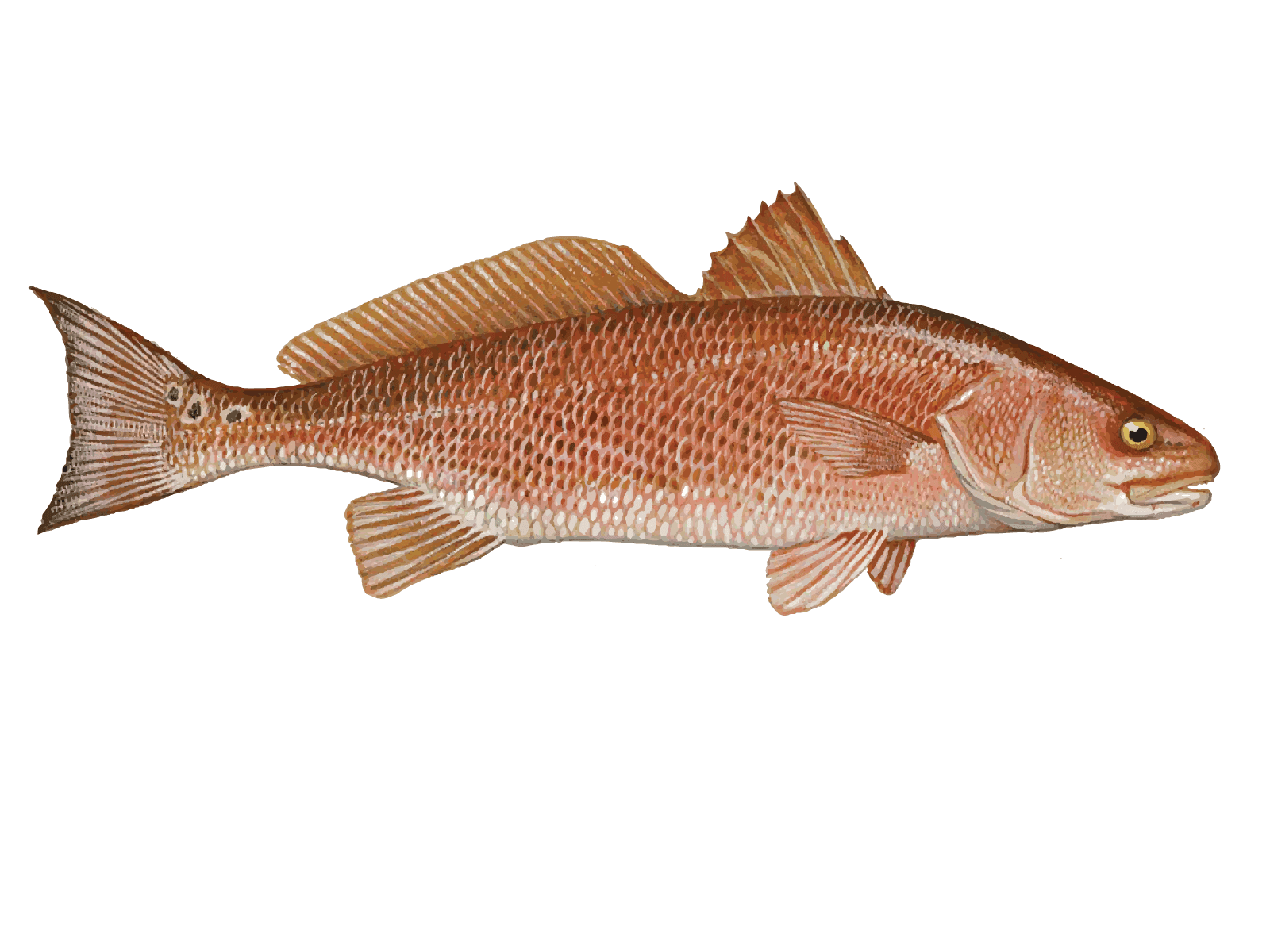
 Redfish
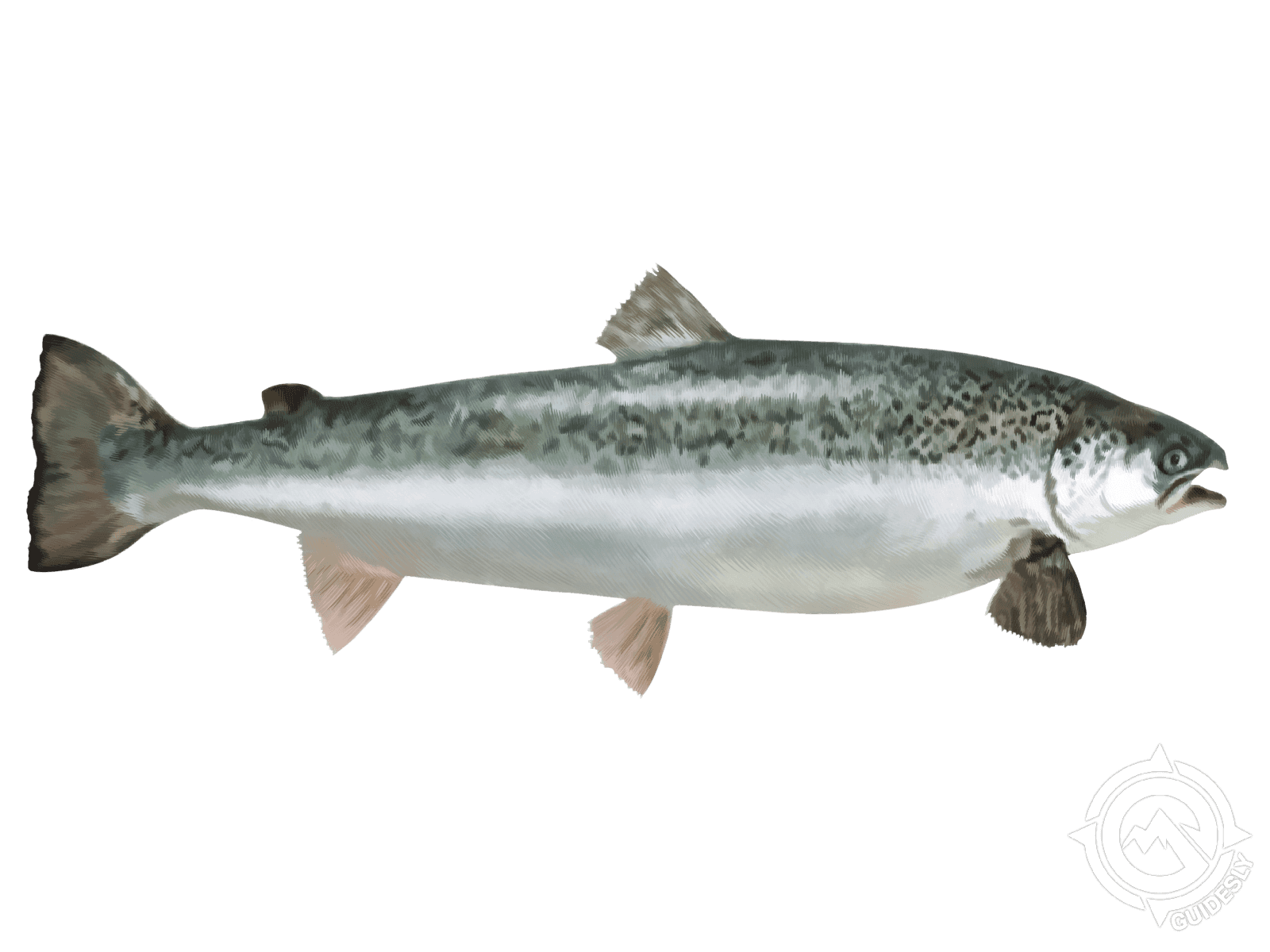
 Sea Trout
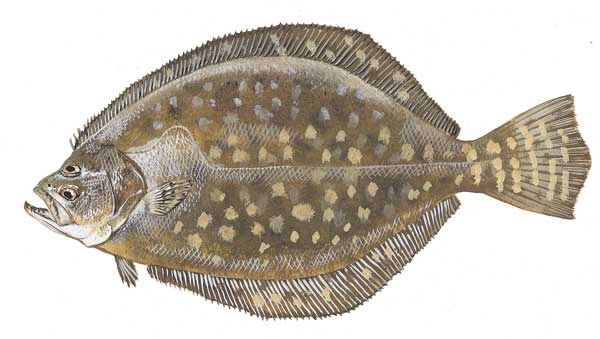 Southern Flounder
- 6-hour guided wading trip targeting speckled trout and redfish
- Early morning start maximizes prime feeding times and conditions
- All tackle and photography included; accommodates up to three anglers
Trip Pricing and Availabilities:
Matagorda Bay Wading Guided Trip
Picture yourself knee-deep in crystal-clear Texas waters, watching redfish cruise the grass flats as the sun comes up over Matagorda Bay. This 6-hour morning wade fishing trip puts you right where the action is – no boat noise, no engine smell, just you and some of the best inshore fishing on the Gulf Coast. Starting at 6:30 AM when the fish are most active, you'll work the shallow flats targeting speckled trout, redfish, and southern flounder with one of our experienced local guides who knows every oyster reef and grass bed in this renowned bay system.
What to Expect on the Water
We're talking about a real wading experience here – not standing on a platform or casting from the boat. You'll be walking the flats, reading the water, and learning to spot fish the way guides do it. The $800 rate covers up to three anglers, and we can squeeze in a fourth person for an extra $50. We provide all the standard tackle, ice for your catch, and those trophy photos you'll want to show off back home. There's a $50 bait fee to cover premium live shrimp and artificials, because using the right bait makes all the difference when you're sight-fishing these flats. Don't forget to bring your Texas fishing license – it's required for everyone over 17. Families are welcome, but kids need to wear USCG-certified life jackets the whole time. Pack non-spray sunscreen (regular sunscreen can spook fish), polarized sunglasses for spotting fish, and plenty of water because six hours in the Texas sun will work up a thirst.
Wading Gear & Techniques
Here's the deal – you need to bring your own wading gear. We're talking chest-high waders with good boots, because you'll be walking over oyster shells, sand, and sometimes muddy bottoms. The water depth ranges from ankle-deep to about waist-high depending on tides and where the fish are holding. We'll teach you how to move quietly through the water, how to read grass lines and structure, and most importantly, how to spot fish before they spot you. The technique is all about stealth and precision casting – these fish see a lot of pressure, so sloppy presentations won't cut it. We'll show you how to work topwater plugs over grass beds at first light, switch to soft plastics when the sun gets up, and adjust your approach based on what the fish are telling us. Wind direction, tide movement, and water clarity all play into where we'll wade and what techniques we'll use.
Species You'll Want to Hook
Speckled trout are the bread and butter of Matagorda Bay, and for good reason. These spotted beauties love the grass flats and can be incredibly aggressive when conditions are right. Spring and fall are prime time, with fish ranging from keeper-sized 15-inchers up to trophy trout pushing 25 inches or more. They're ambush predators that love to hang around grass edges and sand pockets, making them perfect for wade fishing. What makes trout fishing so addictive is their explosive strike on topwater lures – there's nothing quite like watching a big trout blow up on a She Dog at first light.
Redfish are the other star of the show, and Matagorda Bay holds some true bulls. These copper-colored fighters can be found cruising the shallows year-round, but they're most predictable during warmer months when they're actively feeding in knee-deep water. Reds range from slot-sized fish around 20-27 inches up to oversized bulls that can stretch past 35 inches and put a serious bend in your rod. They're sight-fishing at its finest – you'll actually see these fish cruising and tailing before you cast. When a big red takes your bait in shallow water, get ready for a fight that'll test your drag and your wading balance.
Southern flounder add an element of surprise to every wade trip. These flatfish are masters of camouflage, lying buried in sand waiting to ambush baitfish. Fall is prime flounder time when they're staging for their offshore spawn, but you can catch them throughout the warmer months. Most flounder here run 14-20 inches, with occasional doormat-sized fish over 24 inches. They're not the flashiest fighters, but they're excellent table fare and catching one always feels like solving a puzzle – figuring out exactly where they're hiding based on bottom structure and current flow.
Time to Book Your Spot
This wade fishing trip offers something you can't get from boat fishing – a connection to the water and the fish that's hard to beat. You'll learn skills that'll make you a better angler anywhere you fish, see Matagorda Bay from a perspective most visitors never experience, and hopefully land some fish that'll have you planning your next trip before this one's over. Morning trips consistently outproduce afternoon sessions, especially during summer months, so that 6:30 AM start time puts the odds in your favor. Whether you're a seasoned wade fisherman looking for new water or someone who's always wanted to try this style of fishing, Matagorda Bay delivers the goods. Ready to get your feet wet? Give us a call and let's get you booked for what could be your best day on the water this season.
Learn more about the species
Redfish
Red Drum are the backbone of our Matagorda Bay fishery and a blast to target in super shallow water. These copper-colored bruisers average 20-30 inches and will give you a serious workout once hooked. You'll spot them tailing in 1-4 feet of water around oyster reefs, grass beds, and muddy flats - sometimes so shallow their backs stick out. They're not picky eaters and will smash everything from topwater plugs to soft plastics. What guests love is that explosive strike and the way they run when hooked. Plus, they're great eating with a mild, sweet flavor. My go-to trick is to look for nervous water or muddy spots where they're rooting around for crabs and shrimp. Cast past them and work your bait back slowly.
Sea Trout
Speckled Trout are one of Matagorda Bay's most popular targets, and for good reason. These spotted beauties typically run 14-24 inches and put up a solid fight on light tackle. You'll find them cruising grass flats and shallow waters, especially during cooler months when they school up in deeper pockets. They're ambush feeders that love shrimp, small crabs, and baitfish. What makes them special is their delicate, flaky white meat that's perfect for the dinner table - just don't overcook it or it gets mushy. Here's a local tip: look for slicks on the surface where they're feeding, and work soft plastics or topwater plugs slowly through the area. Early morning and late evening are prime time when they're most active.
Southern Flounder
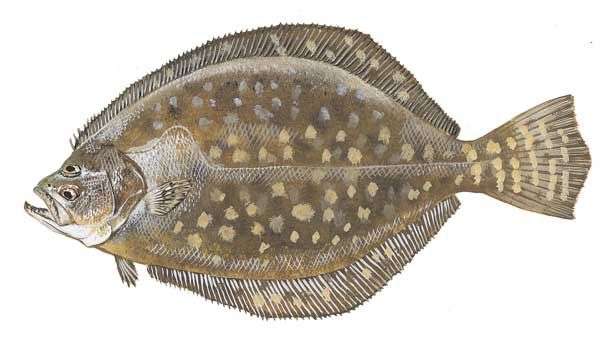
Southern Flounder are the masters of disguise in Matagorda Bay's sandy and muddy bottoms. These flat, oval-shaped fish typically run 15-18 inches but can reach over 30 inches for a true doormat. Both eyes sit on their left side, making them perfectly designed for bottom ambush hunting. You'll find them buried in sand or mud waiting to nail passing shrimp, crabs, and small fish. Fall is prime time when they're moving to spawn, making them more active. What's cool is watching them change colors to match the bottom perfectly. They're excellent table fare with sweet, white meat. Pro tip: drag a bull minnow or shrimp slowly along the bottom with a Carolina rig. When you feel that subtle tap, give them a second to fully take the bait before setting the hook.
About the Chapa Boat
%2F%2Fusers%2Fe9c1d963-7969-4552-866f-fad0cffd0ce4%2Fvehicle_picture%2Fc50079632b317adeb4c602199d18a6c31-mkd753fb.jpg&w=1920&q=75)
Vehicle Guest Capacity: 4
Manufacturer Name: Mercury
Maximum Cruising Speed: 40
Number of Engines: 1
Horsepower per Engine: 300